More than 25 years’ experience · Monday–Saturday, 7am–7pm
Driveway & garden solution guide

Garden privacy solutions

Coordinate fences, screens, walls and planting zones without creating unstable or overbearing boundaries.

Free quotationNo obligationMore than 25 years’ experience
Define the requirement

What the design needs to solve

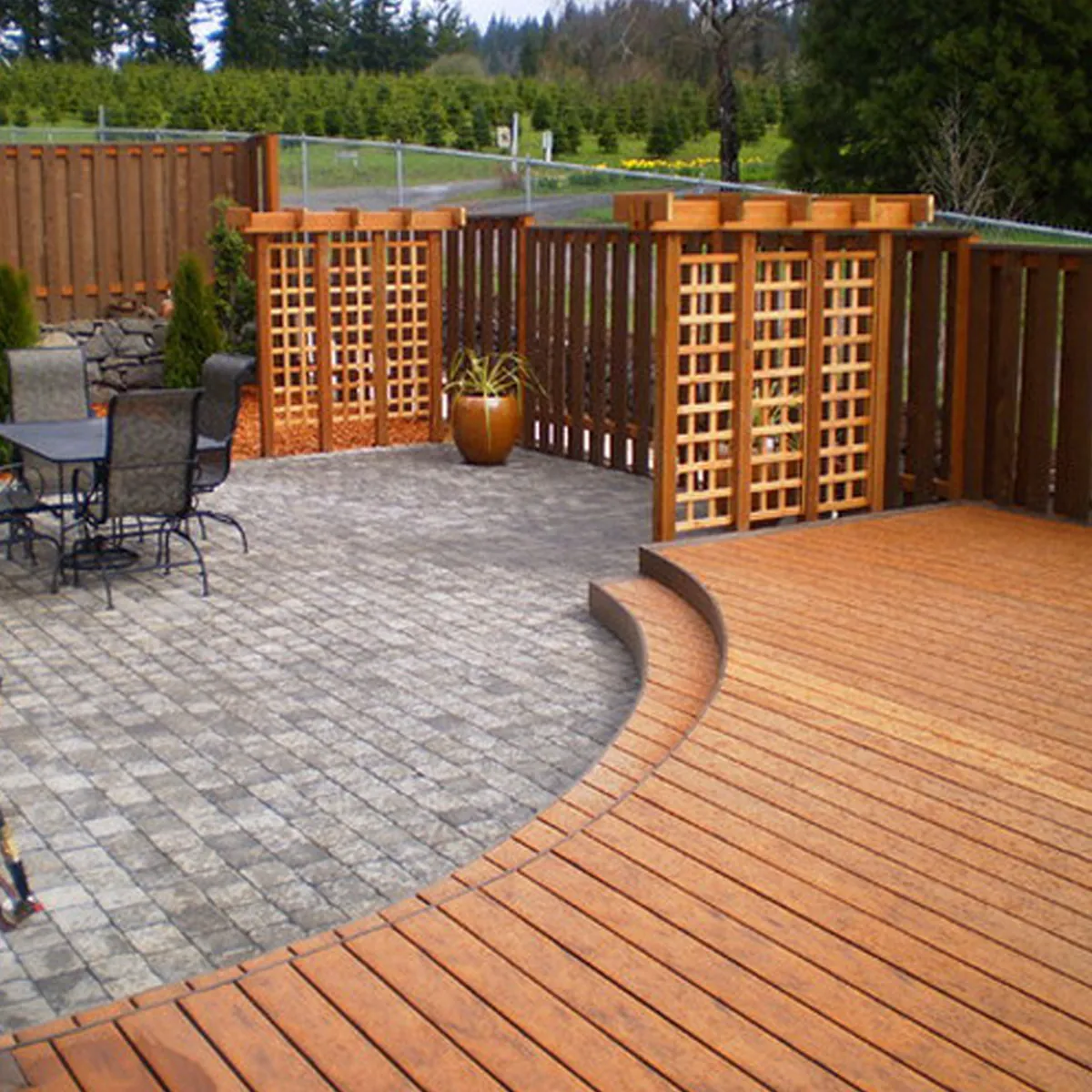
Privacy depends on sight lines, garden levels and where people sit, not only maximum fence height. A targeted screen can sometimes work better than enclosing every boundary.

Garden privacy solutions example
Decision checklist

Turning the idea into a workable specification

The right solution must fit the property, not only solve one isolated concern. These checks help us compare the available approaches fairly.

Space and everyday use

We set out parked vehicles, walking routes, gates, doors, seating or garden activity before fixing dimensions. Closeboard or panel fencing with secure posts must still leave the finished area comfortable and safe to use when everything is in its normal position.

Levels and neighbouring features

Decorative screens around seating areas may change how the proposal meets walls, lawns, public footways or adjacent properties. Threshold protection, edge support and smooth transitions are resolved before cosmetic details.

Water and ground conditions

We identify the rainfall catchment, low points, soil limitations and a suitable discharge route. Raised planting and trellis coordinated with boundaries only works as intended when the layers beneath and surrounding levels support the same strategy.

Care and future change

Walls, piers and gates where a more permanent structure is appropriate should be compared for cleaning, access to buried services, local repair and how the space may change later. A slightly simpler design can offer better long-term flexibility.

What the site visit should resolve

The visit should produce a defined layout, preferred materials, construction assumptions, drainage approach and any permissions the owner must investigate. We will also explain where more than one solution remains reasonable and what trade-offs separate them.

Planning rules can apply to the height and position of walls and fences, especially beside highways, listed properties or conservation areas. The quotation should record those limitations clearly rather than relying on a verbal promise or generic specification.

Before approving the work, check that the chosen approach still meets the original priority and that allowances for access, waste removal, weather and neighbouring boundaries are understood.

Options to compare

Possible approaches

1

Closeboard or panel fencing with secure posts

The site visit will establish whether this approach suits the levels, use, drainage and desired appearance.

2

Decorative screens around seating areas

The site visit will establish whether this approach suits the levels, use, drainage and desired appearance.

3

Raised planting and trellis coordinated with boundaries

The site visit will establish whether this approach suits the levels, use, drainage and desired appearance.

4

Walls, piers and gates where a more permanent structure is appropriate

The site visit will establish whether this approach suits the levels, use, drainage and desired appearance.

Planning rules can apply to the height and position of walls and fences, especially beside highways, listed properties or conservation areas.

Frequently asked questions

Is garden privacy solutions suitable for every property?

No. Garden privacy solutions must be tested against levels, ground, drainage, access, maintenance and local permissions. Privacy depends on sight lines, garden levels and where people sit, not only maximum fence height. A targeted screen can sometimes work better than enclosing every boundary. A site assessment determines which parts of the approach are practical for the individual property.

Can a quotation compare more than one garden privacy solutions option?

Yes. For garden privacy solutions, options such as closeboard or panel fencing with secure posts and decorative screens around seating areas can be compared around construction, appearance, care and site constraints. The quotation should make any difference in scope clear.

Who is responsible for permission connected with garden privacy solutions?

The property owner is responsible for securing any permission required for garden privacy solutions. We can highlight common planning, drainage or highways considerations, but the relevant authority decides. Planning rules can apply to the height and position of walls and fences, especially beside highways, listed properties or conservation areas.

Discuss garden privacy solutions

Call, WhatsApp or send the form for a free, no-obligation quotation.

Call WhatsApp