
Map the extent
We mark where straight cracks over previous trenches and check whether the same symptom appears around edges, wheel paths, thresholds or adjoining surfaces.
Work out whether cracking is a local edge defect, base movement, drainage issue or general surface ageing.
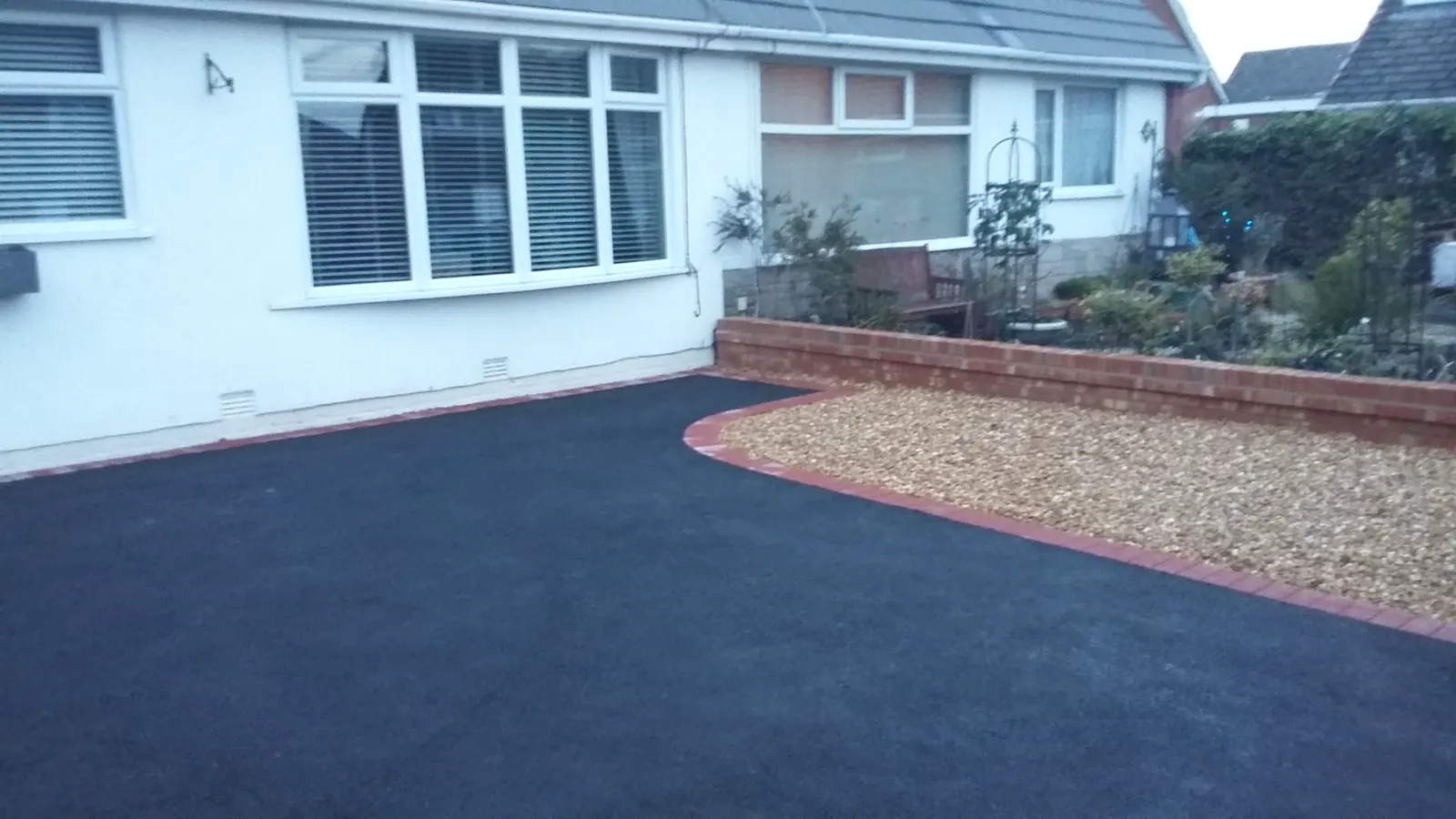
A durable fix needs evidence from the affected area and its surroundings. The point where damage appears is not always where the underlying problem began.
We mark where straight cracks over previous trenches and check whether the same symptom appears around edges, wheel paths, thresholds or adjoining surfaces.
Straightedges, visual levels and careful loading checks help distinguish an isolated defect from broader movement caused by movement in the base or underlying ground.
We inspect falls, joints, channels and outlets because tree roots or utility work can keep damaging an otherwise sound repair.
A limited lift or trial opening may be the only reliable way to confirm bedding, base condition, roots, trenches or hidden edge failure before final pricing.
Crumbling or fretting at unrestrained edges can allow water and movement to spread beyond the first visible area. Repeated surface-only treatment may hide the symptom temporarily while bedding, joints, timber or surrounding construction continues to deteriorate.
Early assessment does not automatically mean full replacement. It creates the chance to isolate a local defect, preserve reusable material and stop the affected area expanding.
Until the cause is known, avoid loading a moving edge, forcing water into an open joint or applying a coating that could make investigation harder. Photograph changes after rainfall and normal use so the progression can be compared.
If the area becomes unsafe, isolate it from vehicles and pedestrians until it can be inspected. Do not rely on loose temporary fill where it could create a further trip or drainage hazard.
Repair options range from saw-cut patches and edge rebuilding to resurfacing or full reconstruction. Fresh material may not colour-match weathered tarmac immediately.
A quotation should identify the area being repaired, what will be removed, how the base or support will be corrected, where water will go and how closely new materials are expected to match the existing finish.
These pages explain the relevant installation and repair routes in more detail.
Repair potholes, failed edges, trenches and local settlement with honest expectations about patch visibility.
Read more →Smooth, durable tarmac surfacing for domestic driveways, private access and larger parking areas.
Read more →Targeted repairs for settlement, failed edges, cracking, loose joints, drainage defects and tired surfaces.
Read more →Cracked or crumbling tarmac can often be repaired when the defect is local and the surrounding construction remains sound. Repair options range from saw-cut patches and edge rebuilding to resurfacing or full reconstruction. Fresh material may not colour-match weathered tarmac immediately. The repair scope should correct the cause as well as reinstating the visible finish.
Photographs of straight cracks over previous trenches and the wider surrounding area help with an initial cracked or crumbling tarmac conversation. They cannot confirm levels, movement or hidden construction, particularly where movement in the base or underlying ground may be involved, so an on-site check is normally needed before final pricing.
A surface-only treatment for cracked or crumbling tarmac is only appropriate when the defect is genuinely superficial. If water entering through cracks and edges or tree roots or utility work is contributing, corrective work beneath or beside the finish is needed to give the repair a reasonable prospect of lasting.
Call, WhatsApp or send the form for a free, no-obligation quotation.